Trump's Showmanship: Reigniting the Fuse for a Global Oil Price Surge? Diagnosing Middle East Instability
We analyze the future global oil price outlook by examining the ceasefire between Iran and Israel orchestrated by US President Donald Trump as a political spectacle rather than genuine peace. We deeply analyze the possibility that fundamental crisis factors in the Middle East (Iran's nuclear development ambition, the threat to block the Strait of Hormuz) remain unresolved, escalating uncertainty in the global crude oil supply chain and increasing the economic risk of a sharp rise in oil prices.
The Middle East has once again emerged as a source of global economic instability. The "12-day war" between Iran and Israel abruptly led to a ceasefire, primarily driven by US President Donald Trump, seemingly ushering in peace. However, complex calculations lurk beneath the surface. The impact of this situation on the international oil price forecast is significant.
Despite the news of a temporary ceasefire, Iran's determination to develop nuclear weapons and Israel's readiness to respond remain burning fuses, suggesting the possibility of renewed conflict at any time.
Outward Peace, Inner Crisis: The Complexity of Middle East Geopolitics and Oil Price Impact
Compounding this, President Trump's unique political showmanship has intensified the uncertainty in the global crude oil supply chain rather than easing diplomatic tension. Analyses suggest that this ceasefire is merely a political spectacle, not true peace, leading to a dominant forecast that oil prices could surge again amid the unstable Middle East situation.
The 'Ceasefire' Spectacle: President Trump's Political Calculation
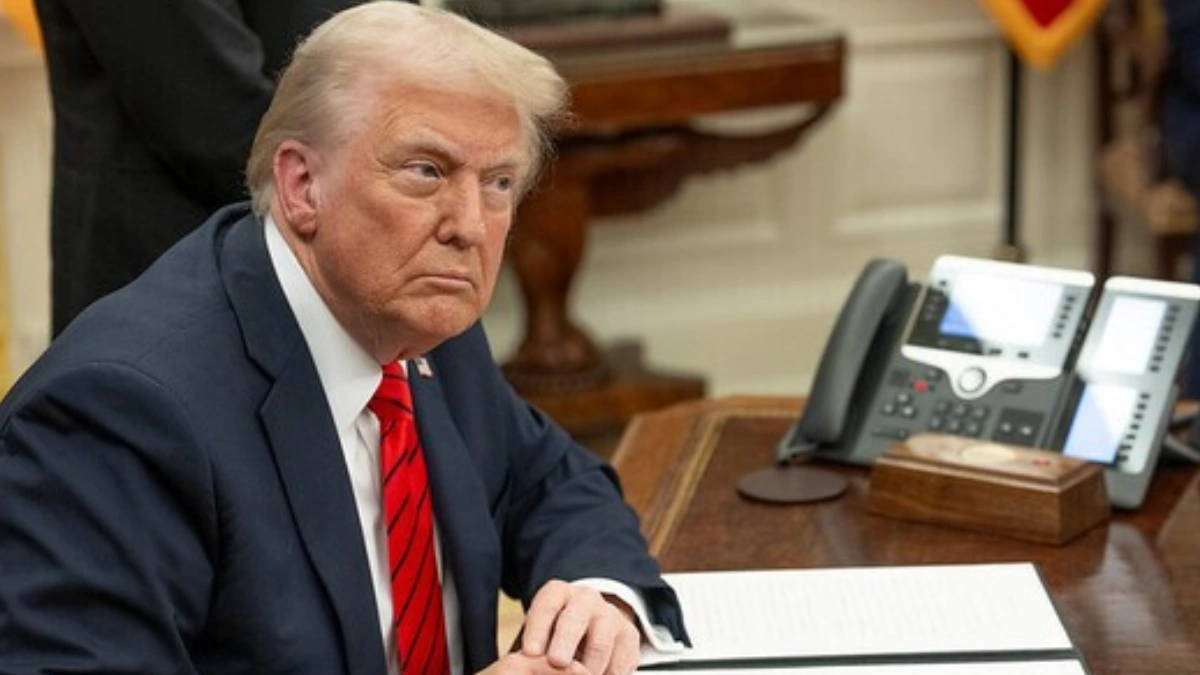
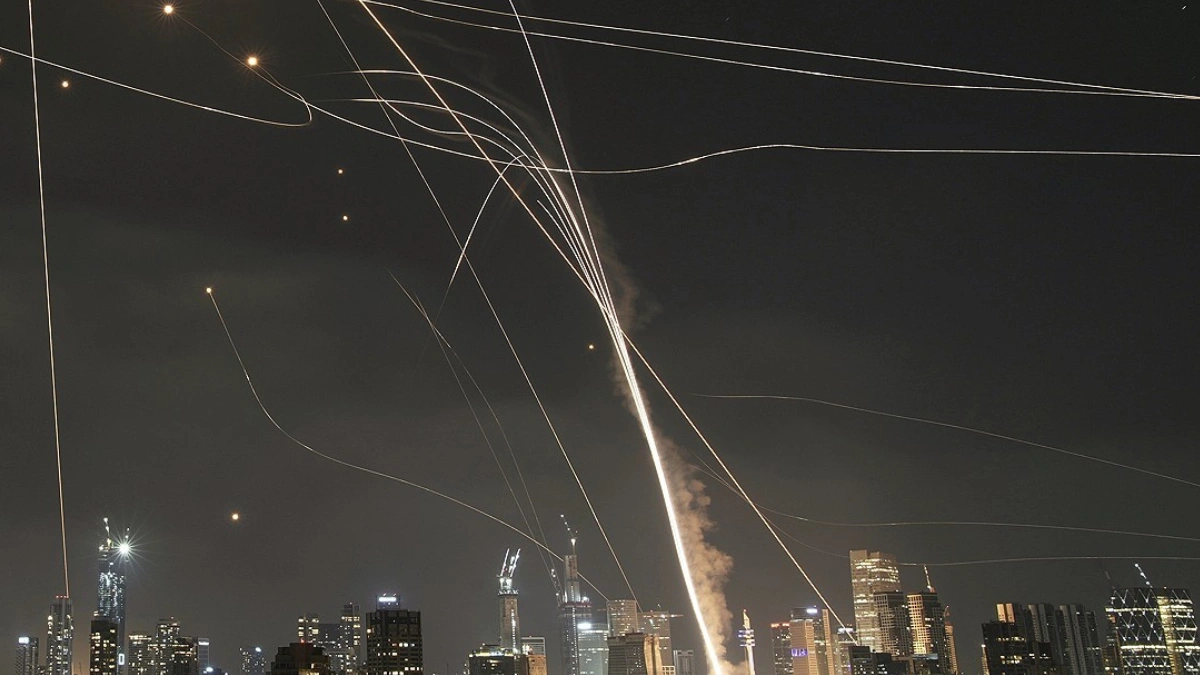
President Trump declared on social media that a full ceasefire agreement had been reached, positioning himself as the savior of Middle East peace. Both Iran and Israel reportedly agreed to Trump's cessation plan, and alternating 12-hour ceasefires were implemented. However, a ballistic missile was immediately launched from Iran, which Israel vowed to respond to as a ceasefire violation.
Considering Trump's political calculus, this is not surprising. In his attempt to emphasize his 'leader' image, he may have relegated both Iran and Israel to 'supporting roles in a show.' Critics argue that he prioritized the recovery of his own political standing over the complex geopolitical realities of the Middle East.
Iran's 'Notified Attack' and Mutual De-escalation Calculations
Evidence suggests that Iran provided advance notification to Qatar and the US before attacking American military bases. There were no casualties, and the targets were bases the US had already evacuated. Trump publicly thanked Iran for the notification on social media.
This suggests a calculated move to avoid mutual escalation.
Indeed, Iran stated that it had "no plans for further attacks," and the US did not retaliate.
However, the issue does not end here. Contrary to the apparent peace, Iran maintains the possibility of continuing unofficial attacks and economic pressure while seemingly complying with Trump. This poses a serious risk factor to the stability of oil prices.
Oil Prices Poised to Surge Again: The Economic Risk of Trump's Showmanship
This series of events may temporarily appear to contain the Middle East crisis. However, we warn that the 'Trump-style peace spectacle' could instead entrench instability in the region.
Crucially, Iran's intention to develop nuclear weapons has not vanished, nor has the conflict with Israel been fundamentally resolved. The possibility of the ceasefire breakdown and the persistence of guerrilla-style terror or unofficial armed provocations remain.
Against this backdrop, international oil prices could surge according to the following scenarios, and investors must closely monitor the risks stemming from the Middle East:
- Renewed threat of Iran's Strait of Hormuz blockade: If the key passage for Middle Eastern oil transportation is blocked, global oil prices will skyrocket.
- Escalation of retaliatory cyber or drone attacks on Israel or the US: Attacks on oil production facilities or transport infrastructure instantly trigger market anxiety.
- Increased uncertainty in the global crude oil supply chain: Geopolitical instability could disrupt long-term crude oil supply planning.
Popularity Over Economy? Trump's Recurring Political Choice
Donald Trump's leadership style is consistently focused on 'immediate political effects.'
Priorities include gaining support, media exposure, and restoring political standing, rather than long-term strategy.
This Middle East ceasefire spectacle can be interpreted as a similar pattern. The alignment of Iran's calculated attack and Trump's ceasefire declaration aimed to dominate world headlines, create the image of a crisis solver, and thereby strengthen his support base.
However, such actions are merely dangerous short-term gambits that disregard the complex realities of the Middle East.
The Middle East Crisis Won't End Easily: The Danger of Temporary Measures
The current ceasefire is only a temporary measure, not a genuine solution. Iran's nuclear ambitions, Israel's security concerns, and US domestic political dynamics can reignite a new armed conflict at any moment.
Trump's showmanship may momentarily capture media attention, but the Middle East issue is a microcosm of complex international politicsa reality that cannot be resolved by a mere show.
The future international situation may appear peaceful on the surface but could become internally more volatile, potentially leading to tangible consequences for the global economy, particularly a spike in oil prices.
Frequently Asked Questions (FAQ) - Middle East Geopolitics and Global Oil Price Forecast
Q1: What was the immediate impact of Trump's ceasefire declaration on international oil prices?
Immediately after the ceasefire news, market anxiety might temporarily ease, causing oil prices to slightly drop or stabilize. However, since this is not a fundamental solution, the instability, such as the possibility of unofficial provocations from Iran, is highly likely to put upward pressure on prices again in the long term.
Q2: Why is Iran's 'Threat to Block the Strait of Hormuz' a decisive factor for oil prices?
The Strait of Hormuz is a narrow waterway connecting the Persian Gulf and the Gulf of Oman, through which a significant portion of the world's seaborne oil transport passes. If Iran threatens to block this strait or disruption actually occurs, the global crude oil supply chain would immediately be paralyzed, causing oil prices to spike exponentially.
Q3: What economic risks should investors prepare for if instability in the Middle East persists?
Investors should prepare for risks such as increased energy-related costs due to the oil price surge, rising air and logistics costs, and increased inflationary pressure. As commodity market volatility increases, it is necessary to closely monitor changes in investment flows toward energy-related stocks and safe-haven assets like gold.